
Bee Keeping
We believe in the magic of bees. With a passion for sustainable living and a deep respect for nature’s most industrious pollinators, we started our journey into ethical beekeeping practices to produce pure, raw honey and a range of bee-derived wellness products.
Bee Keeping
We believe in the magic of bees. With a passion for sustainable living and a deep respect for nature’s most industrious pollinators, we started our journey into ethical beekeeping practices to produce pure, raw honey and a range of bee-derived wellness products.
Bee keeping basics
Welcome to Sydney Bees — your trusted resource for everything beekeeping. Whether you're a curious beginner or a seasoned apiculturist, we’re here to help you explore the magic of bees and the rewarding journey of nurturing your own hive. From understanding bee behavior to mastering hive management, our platform offers expert insights, practical tips, and ongoing support to help you thrive as a beekeeper.
Bees play a vital role in pollinating plants, enriching biodiversity, and creating nature’s treasures like beeswax, royal jelly, and propolis — each with its own unique benefits. It offers farmers and entrepreneurs an additional source of income. It contributes to environmental conservation by supporting plant reproduction and ecological balance.
Bee keeping basics
Welcome to Sydney Bees — your trusted resource for everything beekeeping. Whether you're a curious beginner or a seasoned apiculturist, we’re here to help you explore the magic of bees and the rewarding journey of nurturing your own hive. From understanding bee behavior to mastering hive management, our platform offers expert insights, practical tips, and ongoing support to help you thrive as a beekeeper.
Bees play a vital role in pollinating plants, enriching biodiversity, and creating nature’s treasures like beeswax, royal jelly, and propolis — each with its own unique benefits. It offers farmers and entrepreneurs an additional source of income. It contributes to environmental conservation by supporting plant reproduction and ecological balance.
Bee keeping basics
Welcome to Sydney Bees — your trusted resource for everything beekeeping. Whether you're a curious beginner or a seasoned apiculturist, we’re here to help you explore the magic of bees and the rewarding journey of nurturing your own hive. From understanding bee behavior to mastering hive management, our platform offers expert insights, practical tips, and ongoing support to help you thrive as a beekeeper.
Bees play a vital role in pollinating plants, enriching biodiversity, and creating nature’s treasures like beeswax, royal jelly, and propolis — each with its own unique benefits. It offers farmers and entrepreneurs an additional source of income. It contributes to environmental conservation by supporting plant reproduction and ecological balance.
Getting
Started
Beekeeping is a rewarding hobby and a vital contribution to pollination, but it requires foundational knowledge and consistent care. Whether you're exploring online resources or seeking expert guidance, understanding the basics is key to success.
After setting up your hive, expect to spend a few hours weekly on inspections and maintenance. During honey harvest season, plan for additional time to ensure a smooth and productive process.
You don’t need a large property to keep bees—many urban beekeepers thrive with backyard setups. However, be mindful of your neighbours. Elevated hive placement can reduce human-bee interactions, and sharing your harvest may foster goodwill.
To begin, you’ll need bees. While collecting a swarm or adopting a second-hand hive is possible, purchasing bees is the simplest route for new beekeepers. We offer starter packages to help you launch confidently. Choosing the right hive is crucial. Langstroth hives are widely recommended for their efficiency and bee health benefits. These modular hives feature frames with wax foundations, allowing bees to build combs naturally. Flow hives are also popular for their ease of honey extraction, though they still require regular upkeep.
Protective gear and essential tools—such as smokers, hive tools, and suits—are necessary for safe and effective hive management. Explore our starter kits to get equipped.
Lastly, registration is mandatory in NSW. By registering with NSW DPI, you help safeguard bee populations from pests like Varroa and tracheal mites, and support broader biosecurity efforts.
Visit our SHOP explore hives, bees, and equipment.
Creating a Bee-Friendly Garden
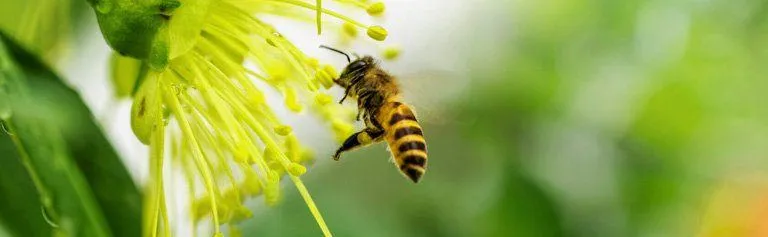
Basics of a Bee Garden
Australia is home to over 2,000 native bee species, ranging from 2 to 24 mm and showcasing vibrant colours. To create a thriving bee garden, choose native plants suited to your region—they attract and support local bee populations, some of which rely exclusively on native flora. Visit reputable nurseries for expert advice on plant selection.
Non-native plants can also benefit bees if you avoid “double” varieties, which lack pollen-rich anthers. Instead, opt for traditional single-flower types to ensure bees have access to essential pollen. A well-planned garden with diverse, bee-friendly plants helps sustain healthy pollinators and supports biodiversity.
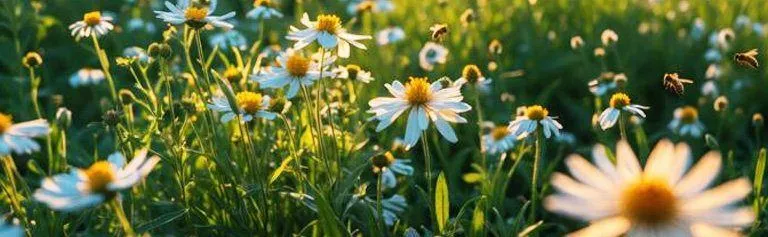
Plants for Bees
Creating a bee-friendly garden is easy and rewarding. Herbs like thyme, basil, and mint attract bees while adding flavor to your kitchen. Wildflowers support biodiversity and help restore habitats lost to urban development. Flowering bulbs thrive in various conditions perfect for pots, borders, or shaded areas and offer vital nectar.
Trees, shrubs, and hedges provide pollen, nectar, and nesting sites for native and honey bees. Growing organic fruits and vegetables not only feeds your family but also supports pollinators. By choosing the right plants, you’ll create a vibrant garden that nourishes bees year-round and boosts your local ecosystem.
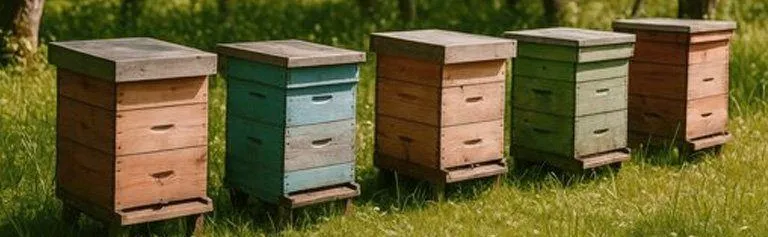
Designing a Bee Garden
A thriving bee garden offers variety, with 10 or more bee-friendly plant species attracting diverse pollinators. Native plants are especially effective, supporting local bee populations. Choose flowers that bloom in succession to ensure a steady supply of nectar and pollen. Plant in large patches to help bees forage efficiently and boost pollination.
Avoid overly manicured gardens—solitary bees prefer bare soil for nesting. If using mulch, leave some exposed ground or add bee houses in shaded spots. Provide water sources like shallow puddles in muddy areas, allowing bees to hydrate and absorb essential minerals. A diverse, well-planned garden keeps bees healthy and active.
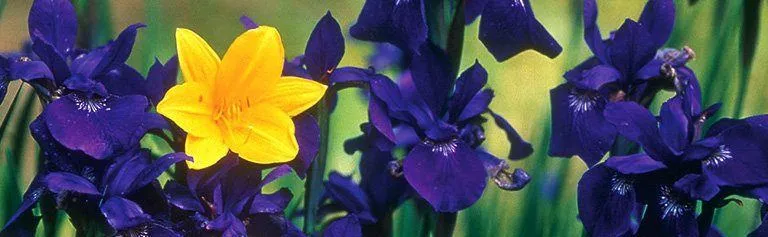
Colors to Choose
Bees are naturally drawn to purple, blue, and yellow flowers, as they can’t see red. Some red blooms like bee balm attract bees by reflecting ultraviolet light. Small bees prefer shallow flowers such as daisies, marigolds, and asters, while larger bees with longer tongues favor deeper blooms like snapdragons, larkspur, and columbine.
Herbs like mint, lavender, and sage are also bee magnets. Leaf-cutting bees love legumes and sweet clover. A successful bee garden includes both nectar and pollen plants—nectar fuels adult bees, while pollen feeds the young. Planting a mix ensures healthy colonies and supports pollination throughout the season.
Bee Care
Winter Care
As winter approaches, beekeepers must prepare their hives to ensure bee survival. Start by inspecting for mites and diseases—treat any issues promptly. Reduce hive entrance size to prevent drafts and help bees regulate warmth. Ensure adequate honey stores or supplement with sugar syrup, fondant, or pollen patties.
Insulate the hive using foam boards or bee cozies, keeping entrances clear. Prevent moisture buildup by adding ventilation and moisture-absorbing materials. Regularly check for activity, buzzing, or condensation. With proper planning and care, your bees will stay healthy through the cold and emerge strong in spring. Winter prep is key to hive success.
Spring Management
Spring, spanning September to November, is the busiest season for beekeepers. Colonies may face starvation in early spring due to depleted honey stores, especially after cold, wet spells. Regular inspections for disease, honey reserves, and queen health are essential. Brood manipulation can boost bee populations but must be timed carefully to avoid chilling.
Re-queening improves hive productivity and temperament, though diseased colonies should not receive new queens. Creating space for honey storage is vital during active nectar flows. Swarm control involves managing queen age, brood space, and honey removal. Successful spring management requires keen observation, timely action, and adaptability to local conditions.
Bush Fires
During summer, bees regulate hive temperature around 35°C using evaporative cooling with collected water. Extreme heat can overwhelm this system, causing heat stress, melted combs, and reduced productivity. Colonies with partial comb damage may recover, but total meltdowns often lead to collapse. Fire-exposed hives suffer smoke and heat stress, leaving bees unproductive or dead.
Signs include melted wax, queen failure, and gaps in brood production. To manage affected hives, replace damaged parts, clean melted honey, and unite weak colonies. Reduce hive entrance and cavity size to aid temperature control. Monitor queen activity, worker numbers, and food stores to support recovery.
Floods and Bee care
Floods can severely impact beekeeping, damaging hives and killing brood if submerged. Once safe to access, beekeepers must act quickly. Contaminated combs from muddy or polluted water should be culled and burnt to prevent disease and small hive beetle infestations. If floodwaters were clean, remove dead brood and install beetle traps.
Evaluate each hive’s recovery potential—check for a laying queen, disease-free status, and sufficient adult bee population. Weak but healthy colonies may be merged; diseased ones may need culling. Support recovering hives with sugar syrup and protein supplements, and monitor beetle activity. Comb rebuilding requires nectar flow or extra feeding.
Winter Care
As winter approaches, beekeepers must prepare their hives to ensure bee survival. Start by inspecting for mites and diseases—treat any issues promptly. Reduce hive entrance size to prevent drafts and help bees regulate warmth. Ensure adequate honey stores or supplement with sugar syrup, fondant, or pollen patties.
Insulate the hive using foam boards or bee cozies, keeping entrances clear. Prevent moisture buildup by adding ventilation and moisture-absorbing materials. Regularly check for activity, buzzing, or condensation. With proper planning and care, your bees will stay healthy through the cold and emerge strong in spring. Winter prep is key to hive success.
Spring Management
Spring, spanning September to November, is the busiest season for beekeepers. Colonies may face starvation in early spring due to depleted honey stores, especially after cold, wet spells. Regular inspections for disease, honey reserves, and queen health are essential. Brood manipulation can boost bee populations but must be timed carefully to avoid chilling.
Re-queening improves hive productivity and temperament, though diseased colonies should not receive new queens. Creating space for honey storage is vital during active nectar flows. Swarm control involves managing queen age, brood space, and honey removal. Successful spring management requires keen observation, timely action, and adaptability to local conditions.
Bush Fires
During summer, bees regulate hive temperature around 35°C using evaporative cooling with collected water. Extreme heat can overwhelm this system, causing heat stress, melted combs, and reduced productivity. Colonies with partial comb damage may recover, but total meltdowns often lead to collapse. Fire-exposed hives suffer smoke and heat stress, leaving bees unproductive or dead.
Signs include melted wax, queen failure, and gaps in brood production. To manage affected hives, replace damaged parts, clean melted honey, and unite weak colonies. Reduce hive entrance and cavity size to aid temperature control. Monitor queen activity, worker numbers, and food stores to support recovery.
Floods and Bee care
Floods can severely impact beekeeping, damaging hives and killing brood if submerged. Once safe to access, beekeepers must act quickly. Contaminated combs from muddy or polluted water should be culled and burnt to prevent disease and small hive beetle infestations. If floodwaters were clean, remove dead brood and install beetle traps.
Evaluate each hive’s recovery potential—check for a laying queen, disease-free status, and sufficient adult bee population. Weak but healthy colonies may be merged; diseased ones may need culling. Support recovering hives with sugar syrup and protein supplements, and monitor beetle activity. Comb rebuilding requires nectar flow or extra feeding.
Nutritional Requirements
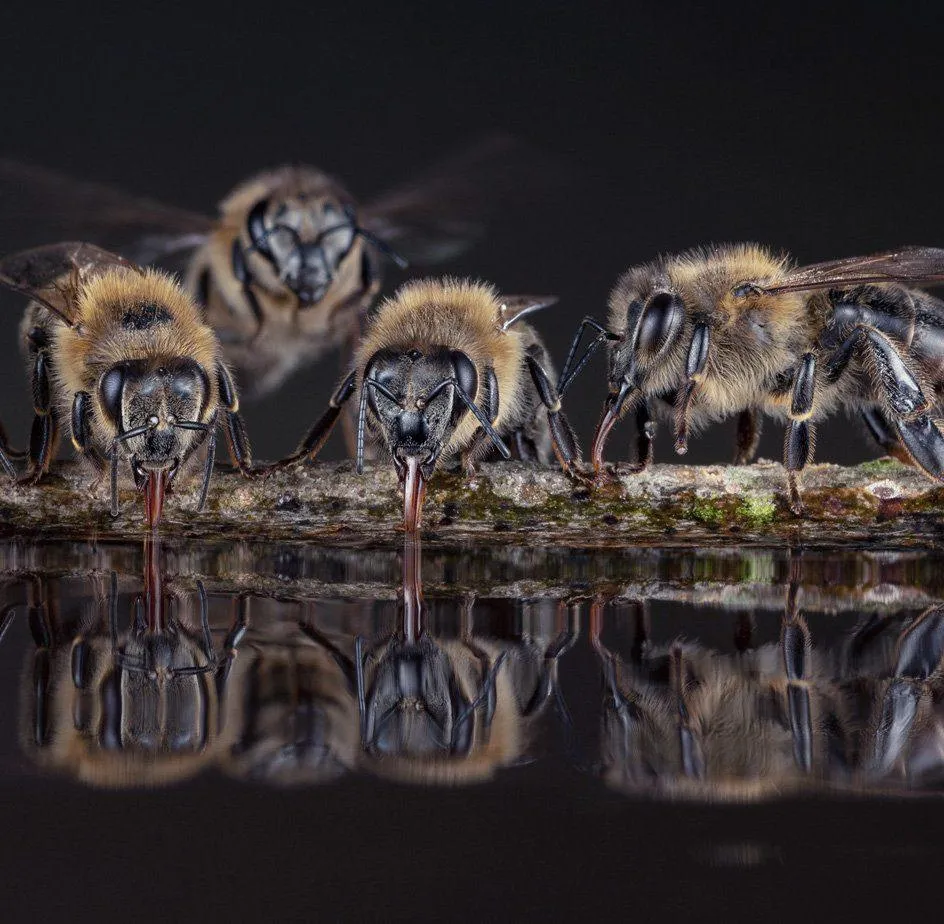
Honey bees require a balanced diet of water, nectar, and pollen to thrive. Water supports metabolism and helps regulate hive temperature, especially above 30°C. When bees rely on stored honey, they need extra water to dilute it for consumption. Always provide a nearby water source with safe landing platforms to prevent drowning.
Nectar, rich in sugars and trace nutrients, fuels flight, heat, and wax production. Bees convert nectar into honey through enzymatic processing and moisture reduction. Fresh nectar stimulates brood expansion and strengthens the colony.
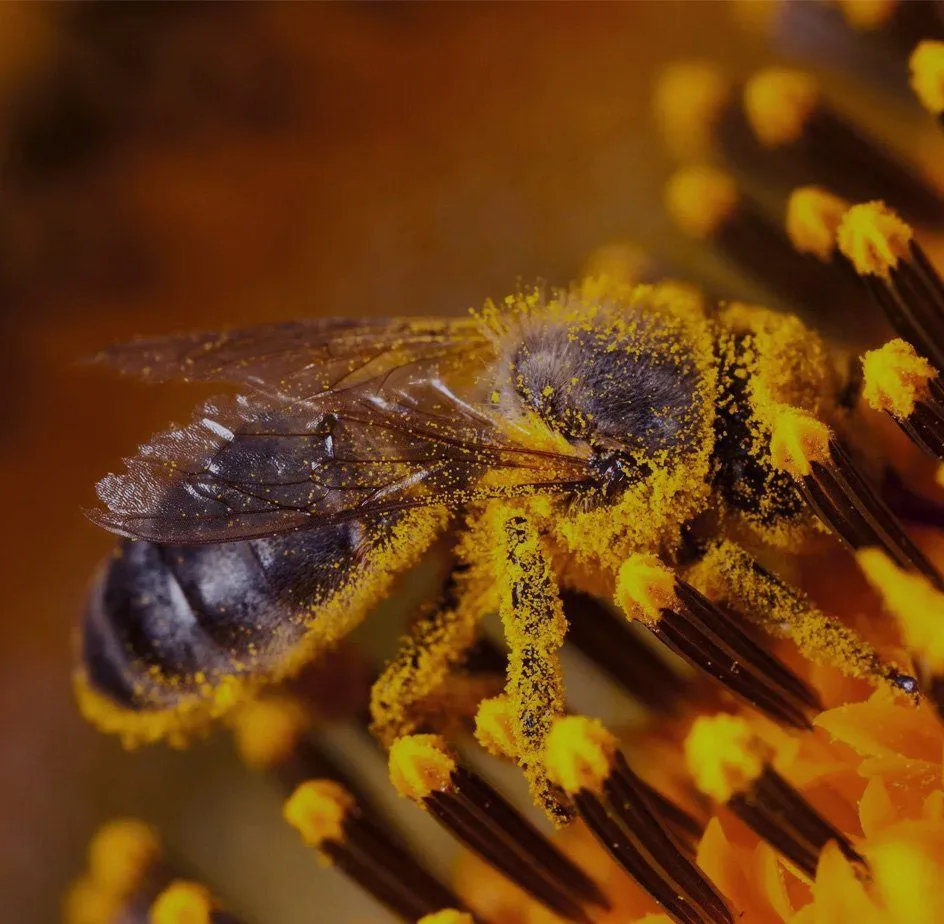
Pollen, gathered from flower anthers, is vital for protein, fats, vitamins, and minerals. It supports brood development and nurse bee health. Bees store fermented pollen as beebread near the brood nest. Colonies lacking quality pollen may suffer reduced bee longevity and halt brood rearing. Strong hives depend on consistent access to diverse, nutrient-rich pollen sources.
Maintaining optimal nutrition is essential for healthy, productive bee colonies.
Nutritional Requirements
Honey bees require a balanced diet of water, nectar, and pollen to thrive. Water supports metabolism and helps regulate hive temperature, especially above 30°C. When bees rely on stored honey, they need extra water to dilute it for consumption. Always provide a nearby water source with safe landing platforms to prevent drowning.
Nectar, rich in sugars and trace nutrients, fuels flight, heat, and wax production. Bees convert nectar into honey through enzymatic processing and moisture reduction. Fresh nectar stimulates brood expansion and strengthens the colony.
Pollen, gathered from flower anthers, is vital for protein, fats, vitamins, and minerals. It supports brood development and nurse bee health. Bees store fermented pollen as beebread near the brood nest. Colonies lacking quality pollen may suffer reduced bee longevity and halt brood rearing. Strong hives depend on consistent access to diverse, nutrient-rich pollen sources.
Maintaining optimal nutrition is essential for healthy, productive bee colonies.
Supplementary Feeding
Supplementary feeding is a vital strategy in beekeeping to support hive health and stimulate brood rearing, especially when natural nectar or pollen sources are limited. Beekeepers can either relocate hives to areas with active flowering or provide artificial substitutes and supplements. Supplements enhance existing resources, while substitutes replace them entirely when field conditions are poor.
Sugar syrup is the most effective carbohydrate supplement. Thick syrup helps bees store food for winter, while thin syrup stimulates brood expansion. It also boosts pollen foraging, improving pollination efficiency—especially in crops with low nectar yield.
Protein supplements are essential for colony growth and vitality. These can be fed as finely milled dry powder or mixed into patties. Ideally, they should contain at least 5% bee-collected pollen to activate nurse bees’ glands and support larval development. Feeding should begin six weeks before expected pollen availability.
Naturally collected pollen is the best protein source, but its nutritional value varies by plant species. Colonies thrive when they consume diverse pollen types. Beekeepers often trap and store pollen during surplus periods to feed back during dearth. However, stored pollen must be disease-free and protected from pests.
Proper supplementary feeding ensures strong, productive hives ready for honey flows and pollination tasks.
Supplementary Feeding
Supplementary feeding is a vital strategy in beekeeping to support hive health and stimulate brood rearing, especially when natural nectar or pollen sources are limited. Beekeepers can either relocate hives to areas with active flowering or provide artificial substitutes and supplements. Supplements enhance existing resources, while substitutes replace them entirely when field conditions are poor.
Sugar syrup is the most effective carbohydrate supplement. Thick syrup helps bees store food for winter, while thin syrup stimulates brood expansion. It also boosts pollen foraging, improving pollination efficiency—especially in crops with low nectar yield.
Protein supplements are essential for colony growth and vitality. These can be fed as finely milled dry powder or mixed into patties. Ideally, they should contain at least 5% bee-collected pollen to activate nurse bees’ glands and support larval development. Feeding should begin six weeks before expected pollen availability.
Naturally collected pollen is the best protein source, but its nutritional value varies by plant species. Colonies thrive when they consume diverse pollen types. Beekeepers often trap and store pollen during surplus periods to feed back during dearth. However, stored pollen must be disease-free and protected from pests.
Proper supplementary feeding ensures strong, productive hives ready for honey flows and pollination tasks.
Removing Honey From The Hive
One of the primary reasons for keeping honey bees is to harvest the honey they naturally produce and store in their hives. Each floral source contributes a unique flavor and aroma, making honey a prized product for thousands of years.
Beekeepers aim to preserve this natural quality during extraction and storage. Honey production begins when field bees collect nectar, which is enzymatically transformed in their honey sacs. The nectar is then deposited into wax cells, where house bees reduce its moisture content to 14%–21%. Once ripe, the honey is sealed with beeswax. Harvesting should only occur when the honey is mature—typically when three-quarters of the frame is capped. Beekeepers must leave enough honey for the colony’s survival, especially during winter.
Honey fuels bee activity, wax production, and brood development, helping maintain hive temperature and energy levels. A strong colony requires more stored honey than a weaker one, and seasonal timing is crucial. In spring, removing honey may help prevent swarming, while in winter, it’s essential for survival. Always consider upcoming nectar flows before extraction. Responsible honey harvesting ensures healthy, productive colonies and supports long-term beekeeping success.
For best results, monitor hive strength, climate conditions, and floral availability throughout the season. When harvesting honey, timing and conditions are critical to maintaining purity and quality. Avoid extracting honey during wet weather, as rain increases moisture content, leading to fermentation. Honey readily absorbs water, so always cover supers with waterproof material if rain is expected. Windy conditions should also be avoided, as dust and debris can contaminate exposed combs, and working bees in such weather is stressful for both beekeeper and colony.
If treating hives with antibiotics for European foulbrood, do not harvest honey for at least eight weeks post-treatment. Ideally, remove honey before starting medication. Be cautious around agricultural sprays—even low-toxicity pesticides can leave residues in nectar and pollen. Clearly label and record honey from sprayed areas and inform buyers of potential risks.
Fermented honey must be removed promptly, as it harms bee health. Keep it separate from your main harvest and consult a packer for safe use or disposal. Always handle honey with care to prevent contamination. As a beekeeper, you hold the responsibility to ensure honey destined for human consumption remains clean, safe, and true to its natural form. Proper practices protect both your bees and the integrity of your product.
Pests & Diseases
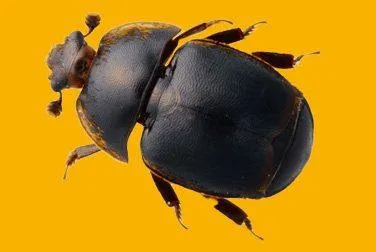
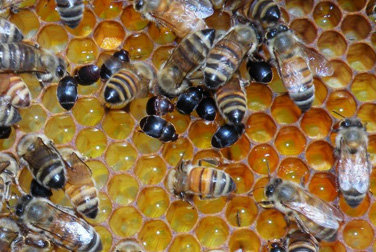
The small hive beetle (Aethina tumida) is a serious pest that can devastate healthy bee colonies in days. Native to sub-Saharan Africa, SHB has spread across Australia since 2002, especially in warm, humid regions from Victoria to North Queensland. Its larvae feed on brood, pollen, and honey, contaminating the hive with fermenting yeast and causing rapid collapse, known as a “slime-out.”
To prevent SHB infestations, beekeepers should stay vigilant—especially during summer when temperatures exceed 30°C and humidity hits 70%. Key strategies include:
• Maintaining strong colonies with productive queens
• Combining weak hives or boosting them with capped brood
• Removing excess comb and sealing hive gaps
• Using slotted bases with dry diatomaceous earth or lime
• Practicing careful re-queening and good apiary hygiene
• Avoiding infested equipment and combs
• Using blue chux cloth traps and affordable beetle baits
• Placing hive legs in oil cups to block beetles and ants
• Spreading used coffee grounds to deter breeding
With proactive care, beekeepers can safeguard their hives and support thriving bee populations.
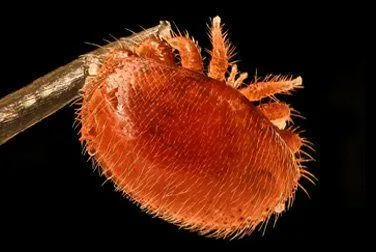
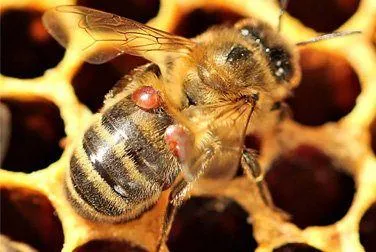
Varroa mite (Varroa destructor) is a deadly parasite that weakens honey bee colonies by feeding on adult bees and developing brood. It spreads viruses, disrupts hive behavior, and can lead to total colony collapse if left untreated. First detected in NSW in 2022, eradication was deemed unfeasible by 2023, and Australia has since shifted to a management approach.
To report suspected infestations in NSW, call the Exotic Plant Pest Hotline at 1800 084 881. Even uncertain sightings should be reported.
Prevention tips:
• Regularly inspect hives for mites and signs of stress
• Avoid sharing equipment between colonies
• Maintain strong, hygienic colonies with good ventilation
• Use screened bottom boards and drone brood removal
Treatment options:
• Apply Integrated Pest Management (IPM) strategies
• Use approved miticides carefully to avoid residue in honey
• Consider natural remedies like essential oils under expert guidance
By staying alert and proactive, beekeepers can reduce the impact of Varroa mite and protect pollination and honey production across NSW.
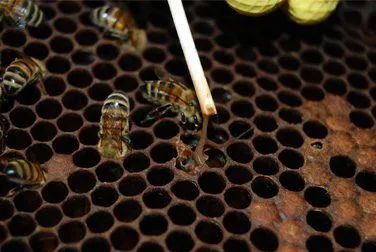
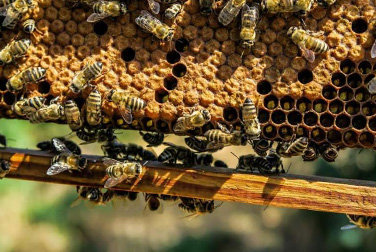
American foulbrood (AFB) is a highly contagious and deadly bacterial disease that affects honey bee brood. Caused by Paenibacillus larvae, AFB spreads when young larvae ingest spores that germinate in their gut, leading to death at the pre-pupal or pupal stage. Early detection is critical, as the disease can devastate entire colonies.
Beekeepers should inspect brood combs at least twice a year—ideally in spring and autumn—though AFB can strike at any time. Signs include sunken, greasy, and perforated cappings, irregular brood patterns, and discolored larvae turning from white to brown. The “ropiness test” is a key diagnostic tool: inserting a matchstick into a diseased cell and pulling out a sticky thread confirms infection. Over time, infected brood dries into a dark scale that clings to the cell wall.
AFB spreads through contaminated hive components, infected honey or pollen, robbing behavior, and drifting bees. Spores are especially dangerous to larvae under 24 hours old and can remain viable for over 50 years. To prevent outbreaks, beekeepers should replace brood combs every 3–4 years, sanitize tools between inspections, and implement barrier management systems. If AFB is confirmed, report it immediately, destroy the infected colony, and burn or irradiate contaminated equipment to halt further spread.
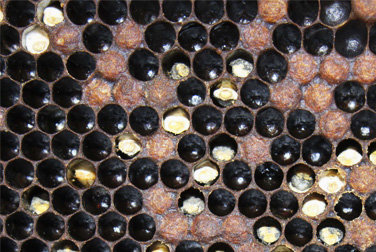
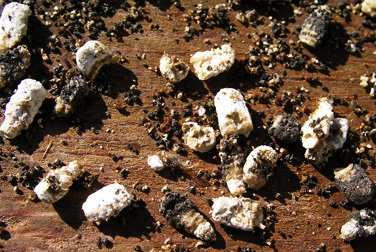
Chalkbrood is a fungal disease in honey bee colonies caused by Ascosphaera apis. It affects larvae when they ingest fungal spores during feeding. These spores germinate in the gut, leading to starvation and death. The disease is widespread across Australia and tends to flare up during cool, wet weather or when colonies face nutritional stress—especially in spring when brood expansion outpaces the adult bee population’s ability to regulate nest temperature.
Symptoms include a scattered brood pattern, perforated cappings, and the presence of chalk-like “mummies”—dehydrated larvae that turn white-grey as the fungus matures. Bees often remove these mummies, depositing them at the hive entrance or on the ground. Chalkbrood spreads easily through drifting or robbing bees, contaminated equipment, pollen, and water. Spores can remain viable for up to 15 years.
To manage chalkbrood, beekeepers should replace infected combs and regularly clean hive entrances and bottom boards. Position hives in dry, sunny, well-ventilated areas to discourage fungal growth. Replacing the queen with one from a hygienic stock—known for removing diseased brood—can significantly reduce disease impact. Choosing bees with strong hygienic behavior is a proactive step toward maintaining healthy, productive colonies and minimizing chalkbrood outbreaks.
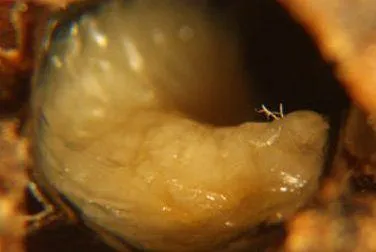
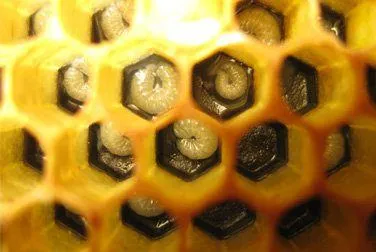
European foulbrood (EFB) is a serious bacterial disease affecting honey bee brood, caused by Melissococcus plutonius. Larvae become infected after consuming contaminated food, and the bacteria multiply in their gut, competing for nutrients and ultimately causing death by starvation. EFB outbreaks are more common during spring, especially in cool, wet conditions or when colonies suffer from poor nutrition and stress.
To detect EFB early, beekeepers should inspect brood combs thoroughly in spring and autumn. Look for irregular brood patterns, mottled appearances, and larvae that die in twisted or coiled positions. Infected larvae change color from pearly white to yellow, then brown. Most die before their cells are capped, so focus on unsealed brood. The ropiness test—drawing out semi-fluid remains with a matchstick—can help confirm infection. A strong ammonia-like odor may also be present in older dead brood.
EFB spreads easily through contaminated hive components, infected honey or pollen, robbing behavior, and drifting bees. Spores can remain viable for years. To prevent reinfection, maintain strong colonies with young, healthy queens, replace brood combs every 3–4 years, and implement a barrier management system. Always disinfect hive tools and equipment between inspections to reduce the risk of spreading EFB across apiaries.