
Bees may be small, but their role in our world is monumental. From pollinating crops to sustaining biodiversity, they are the unsung heroes of our ecosystems. Without them, life as we know it would look very different.
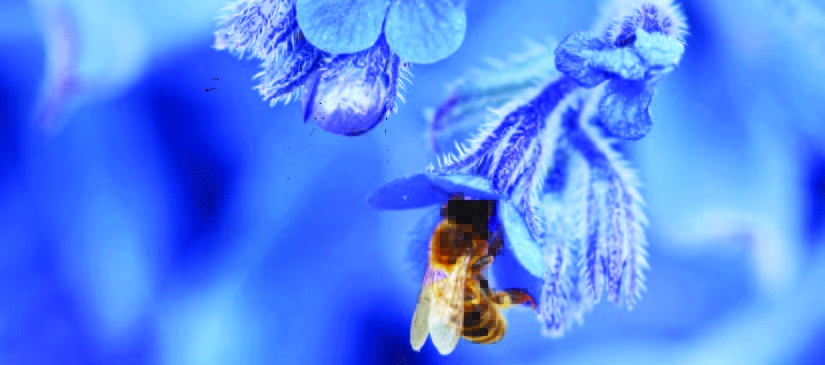
Pollination is one of their greatest gifts. Bees pollinate over seventy‑five percent of flowering plants, including fruits, vegetables, and nuts. Without them, global food supplies would shrink dramatically. Imagine a world without apples, almonds, or blueberries. The absence of bees would mean fewer crops, higher food prices, and less variety on our plates.
Beyond agriculture, bees help wild plants reproduce. This ensures habitats for countless species. Their work maintains balance in forests, meadows, and gardens. Every buzzing flight contributes to the survival of plants and animals that depend on them.
Yet bees face serious threats. Habitat loss due to urbanization reduces their forage areas. Pesticide exposure weakens colonies and disrupts their ability to navigate. Climate change alters flowering cycles, leaving bees without food at critical times. Diseases and parasites like Varroa mites add further pressure, making survival even harder.
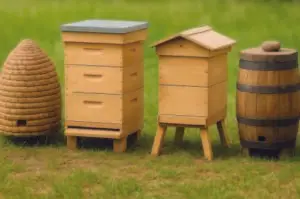
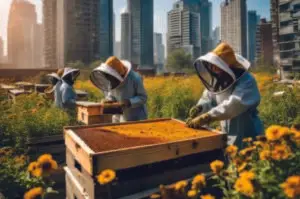
We can help in simple ways. Planting bee‑friendly flowers creates safe forage zones. Avoiding harmful pesticides protects colonies. Supporting local beekeepers strengthens sustainable practices. Educating communities spreads awareness about bee conservation. Each small action adds up to a larger movement that safeguards these vital creatures.
Protecting bees means protecting ourselves. Their survival is directly tied to human well‑being. Every action we take to safeguard them is an investment in our future. Bees remind us that even the smallest creatures can have the biggest impact.