
Introduction: Bees in the Concrete Jungle
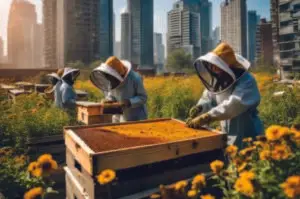
In recent years, urban beekeeping has surged worldwide, turning rooftops, balconies, and community gardens into thriving ecosystems. Once considered impractical, keeping bees in cities is now celebrated as a sustainable practice that enhances biodiversity, supports food security, and reconnects urban dwellers with nature. This blog explores the origins, ecological impact, cultural significance, and future potential of urban beekeeping, weaving together science, sustainability, and human stories.
A Brief History of Urban Beekeeping
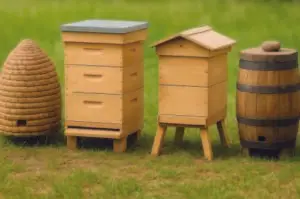
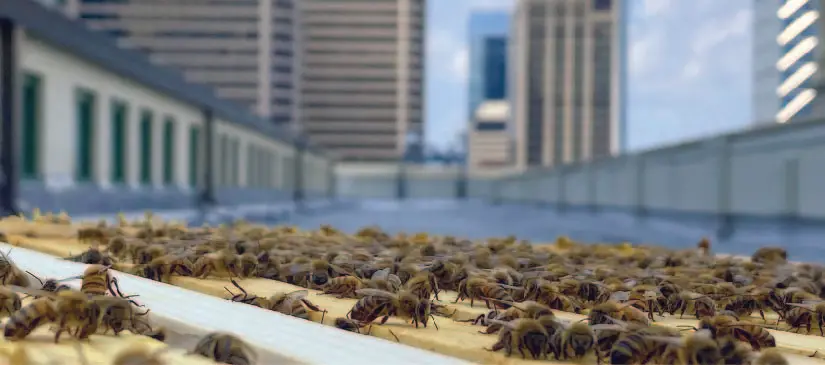
Beekeeping in built environments is not new. Its roots stretch back to ancient Egypt and Greece, where bees were kept in clay hives near settlements. With industrialization, however, bees were pushed out of cities, seen as incompatible with dense populations and modern life. The late twentieth century brought a revival, as environmental movements and urban agriculture initiatives reignited interest. Cities such as Paris, London, and New York pioneered rooftop hives, proving that bees could thrive amidst skyscrapers and concrete.
Why Urban Beekeeping Matters
Urban beekeeping matters for several reasons. Bees are powerful pollinators, responsible for pollinating around 70 percent of global crops. Urban gardens, parks, and green rooftops benefit immensely from their presence, and cities often provide diverse flowering plants that offer bees a richer diet compared to monoculture farms. Beyond pollination, urban hives boost biodiversity by creating micro-ecosystems that support not only honeybees but also wild pollinators. Studies in cities such as New York and Berlin have shown measurable increases in plant diversity thanks to rooftop hives.
Local food production is another benefit. Honey harvested in cities reflects the local flora, offering unique flavors that vary from neighborhood to neighborhood. Urban honey markets are booming, with artisanal branding appealing to eco-conscious consumers who value hyper-local products. Urban beekeeping also fosters community engagement. Workshops and educational programs bring people together, raising awareness about sustainability and teaching biology in hands-on ways. Schools and community centers increasingly use hives as tools to inspire curiosity and environmental responsibility.