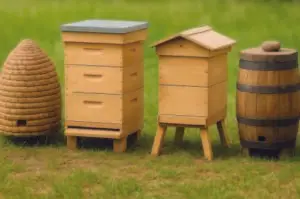

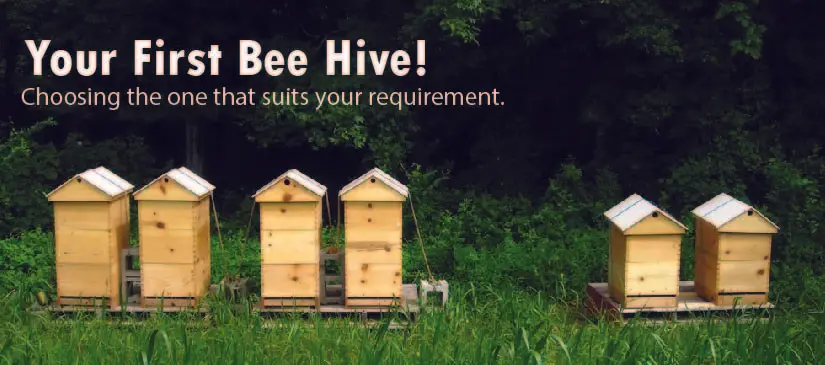
Starting your journey into beekeeping is both exciting and a little daunting. The idea of nurturing thousands of bees, harvesting golden honey, and contributing to pollination in your community is inspiring, but it all begins with one crucial step: selecting your first beehive. For beginners, the hive is more than just a box; it is the bees’ home, your workspace, and the foundation of your beekeeping adventure. Making the right choice will set you up for success, while the wrong one can lead to frustration and unnecessary challenges.
When most people imagine a beehive, they picture the classic stack of wooden boxes with removable frames. This is the Langstroth hive, the most widely used design in the world. Invented in the mid-nineteenth century, it revolutionized beekeeping by introducing movable frames that allow beekeepers to inspect colonies without destroying them. For beginners, the Langstroth hive is often recommended because it is modular, easy to expand, and supported by a vast community of beekeepers who can offer advice. Its popularity also means that equipment, replacement parts, and educational resources are readily available. If you want a hive that balances tradition with practicality, the Langstroth is a safe and reliable choice.
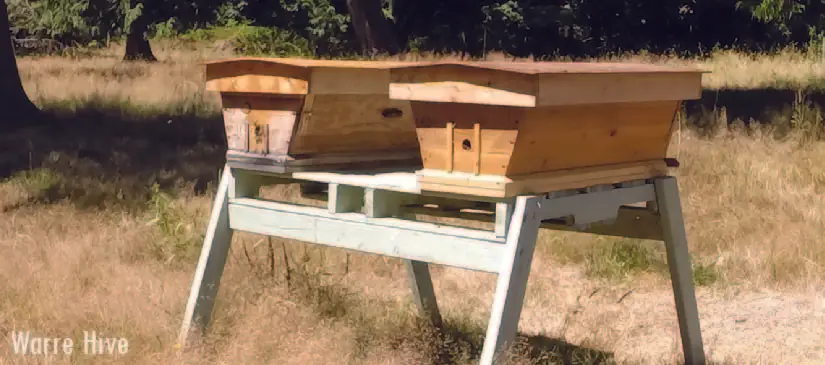
Another option is the Top-Bar hive, which looks quite different from the stacked boxes of the Langstroth. Instead, it consists of a long horizontal box with wooden bars across the top, from which bees build their comb naturally. Many beekeepers appreciate the simplicity of this design, as it allows bees to construct comb in their preferred shapes without the constraints of pre-made frames. Top-Bar hives are often praised for being more natural and less intrusive, but they can be harder for beginners to manage. Harvesting honey is less straightforward, and because the comb is more fragile, inspections require extra care. If your goal is to prioritize bee welfare and you are less concerned about maximizing honey production, a Top-Bar hive may appeal to you.
A third option gaining popularity is the Warre hive, sometimes called the “people’s hive.” It is designed to mimic the natural environment of bees, with boxes stacked vertically but smaller than those of the Langstroth. The Warre hive encourages minimal intervention, allowing bees to manage their colony with less interference. For beginners who want a hands-off approach, this hive can be attractive, but it may not be the best choice if you want to learn the ins and outs of colony management. Because inspections are more limited, you may miss early signs of disease or pests.
Beyond the type of hive, location is another critical factor. Bees need a safe, stable environment with access to sunlight, water, and forage. Placing your hive in a quiet corner of your garden or rooftop, away from heavy foot traffic, will reduce stress for both bees and neighbors. Consider the climate in your region as well. In colder areas, insulation and wind protection are essential, while in hotter climates, shade and ventilation matter more. Choosing a hive that suits your environment will make management easier and improve colony survival.
Cost is also worth considering. Langstroth hives are generally affordable and widely available, while Top-Bar and Warre hives may require custom building or specialty suppliers. As a beginner, investing in a standard Langstroth kit can be more economical, especially since you will also need protective gear, tools, and bees themselves. Remember that beekeeping is not just about honey; it is about learning, experimenting, and adapting. Starting with a hive that offers flexibility will help you grow into the practice.
Another aspect to think about is your personal goals. If you dream of producing jars of honey to share with friends or sell at local markets, a Langstroth hive is the most efficient option. If your focus is on sustainability, education, or simply observing bees in a more natural setting, a Top-Bar or Warre hive might align better with your values. There is no single “best” hive; the right choice depends on what you hope to achieve.
It is also wise to check local regulations before purchasing a hive. Some cities require registration of hives, while others limit the number of colonies you can keep. Understanding these rules will prevent complications and ensure that your beekeeping journey begins smoothly. Joining a local beekeeping association can provide guidance, mentorship, and community support. Experienced beekeepers often welcome newcomers and can share practical tips that go beyond what books or websites can teach. Ultimately, choosing your first beehive is about balancing practicality with passion. The Langstroth hive offers structure and support, making it ideal for beginners who want to learn systematically. The Top-Bar hive provides simplicity and natural comb building, appealing to those who value bee-centered practices. The Warre hive encourages minimal intervention, suiting those who prefer a hands-off approach. Each design has its strengths and challenges, and your decision should reflect your goals, environment, and resources.
As you embark on this journey, remember that beekeeping is not just about equipment. It is about building a relationship with your bees, learning from them, and contributing to the health of your local ecosystem. Your first hive is the doorway to a world buzzing with life, and with thoughtful consideration, it will become the foundation of a rewarding adventure.